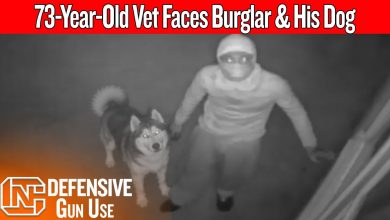
Most disasters, attacks, and violent incidents rarely happen “out of the blue.” Usually, there are warning signs that something feels “off.” These signs may be small and easily dismissed, but you need to learn how to pick up on those clues before it’s too late.
Here’s how to train yourself to recognize danger signs no matter where you are.
TL;DR: Recognizing risks through situational awareness means noticing surroundings, spotting red flags in behavior or environment, and trusting your gut to act early, helping you stay safe in daily settings like malls or airports.
[TOC]
Quick Look at What You’ll Learn
Start by Noticing Your Surroundings
Many people move through most of their day on autopilot. I’m guilty of doing the same thing: taking the same route to work or to the grocery store, I fail to notice any changes. But to become aware, we need to make a conscious choice to see our surroundings.
Looking at people I pass on the street, I notice many are distracted by their phones, unable to hear anything while wearing earbuds and zoning out.
Criminals and potential attackers are known to exploit such distractions.
Here are habits to develop to become aware of your surroundings:
- Put Your Phone Away: When walking, standing in line, or waiting for transportation, keep your head up and constantly scan with your eyes.
- Identify Exits: As you enter any building, look for at least two exits and any solid barriers like pillars or counters that could serve as hiding spots.
- What’s Normal?: Make a mental note of what “normal” looks like in each location. That way, you’ll recognize when something doesn’t fit.
The point is not to live in fear, but to make a new habit of actively noticing what’s around you.
Recognize Red Flags
In any crowded or public space, the fastest way to sense danger is to look for people whose behavior doesn’t match the setting.
Some examples:
- Looking out of place: Someone wearing a heavy coat in hot weather could be hiding something.
- Acting agitated: Watch for people who appear erratic. Someone who keeps looking around nervously, pacing, and muttering should catch your attention.
- Looking shifty near security: People who loiter near restricted areas or attempt to bypass screening could be trying to sneak in.
These signs don’t always indicate an immediate threat, but when they appear together, especially with nervous energy or rapid movements, it’s time to move away or possibly alert authorities.
Observe the Environment
After the Maui wildfires, survivors recalled noticing unusual wind patterns and smoke spreading, prompting some residents to evacuate before alarms were sounded. Sometimes the threat is not a person. Fires, crushing crowds, gas leaks, or structural dangers often show signs before escalating. Wherever you are, be alert for:
- Odd smells and sounds: The scent of smoke, chemical odors, or an unexpected hissing sound can indicate danger before alarms go off.
- Crowd behavior: When people start running or moving quickly in one direction, don’t ignore it. Even if you don’t know what’s happening, start moving with purpose toward an exit.
- Sudden silence or tension: In busy public areas, when noise abruptly drops, or people seem frozen or staring in one direction, you must pay attention.
Learning to “read the room” can help you detect problems seconds or minutes before they’re obvious to everyone else.
How to Practice Situational Awareness in Various Locations
At the Mall
When you enter:
- Scan for side exits and stairwells, not just the main entrances.
- Noting where the security guards and information desks are located.
- Look out for people leaving bags unattended or acting erratically.
- If you hear loud noises, don’t freeze: move toward an exit while looking around.
Always stay alert in parking lots. This is where muggings or car break-ins happen. Have your keys in your hand before you leave the building, and keep your head on a swivel as you walk to your car.
At a Concert or Festival
Large gatherings are to be expected, but they can be risky. Crowds can turn dangerous from stampedes, fights, or worse. To protect yourself:
- Know your exit routes before the show starts.
- Pay attention to your belongings: Choose clothing with zippered pockets, keep your bag zipped, and keep it close to you to avoid being pickpocketed.
- Avoid positioning yourself in the thick of things where movement is restricted.
- Keep an eye on the crowd’s movements. If people start shouting, pushing, or shoving, it’s a sign you need to find your exit.
- Trust your gut. If the atmosphere feels “off,” step away for a few minutes; it’s better to miss part of the show than to get caught in a crush or fight.
At Work or School
My workplace holds an annual training session to spot threats of violence before they escalate. Workplaces are at risk from disgruntled employees, accidents, or even domestic violence. To stay safer:
- Get to know your emergency exits.
- Don’t assume that just because you know someone, they will never resort to violence. Pay attention to co-workers or students who are showing extreme distress, anger, or drastic behavioral changes. These are signs they may be getting pushed over the edge.
- Remove clutter in your workstation so you can move quickly if necessary.
- Don’t skip safety drills; you may need this information one day.
Staying calm can help you act rather than freeze in an emergency.
At the Airport
Airports have tight security, but are not immune to threats. Some risks are crowd panic, unattended luggage, or suspicious activity near security checkpoints.
Stay alert for clues such as:
- Observing the behavior of people near you. Notice anyone who is avoiding eye contact, looks like they’re loitering, or visibly sweating in an air-conditioned area. Of course, someone could just be nervous about flying, so there is that possibility. The point is to be aware.
- Keeping your own belongings close to you.
- Staying calm if alarms sound. Most people freeze or start running to exits; instead, pause, see the crowd flow, and move toward the nearest safe area.
If you see something suspicious, report it immediately.
Listen to Your Gut
We’ve all heard about crime scene witnesses who say they had a sneaky suspicion about the criminal but ignored it. That uneasiness that “something’s not right” is your subconscious picking up on details your conscious mind hasn’t processed yet. Experienced security and law enforcement personnel count on gut instincts formed through constant observation.
If your instincts signal danger:
- Don’t talk yourself into ignoring your gut feeling.
- Get away and find a safe location.
- Once you’re in a safer position, you can figure out your next move.
Don’t overthink it: just trust your gut.
Keep Your Exit Strategy in Mind
Prepared people always have a mental plan. When you enter any new space:
- Identify two exits.
- See what obstacles or barriers might trap you.
- Consider where you’d take cover if something happens.
Having an escape route in mind ensures you can act calmly and purposefully if anything happens. Security professionals call this “the baseline mindset”: assume that anything can happen, but you’re equipped to respond.
Practice Daily
Like any skill, risk recognition improves with practice. You can train yourself and your children to build awareness by:
- Playing observation games: In any public space, quietly note who’s around, what they’re doing, and where exits are.
- Recalling details: After leaving a place, practice using your memory to recall how many people were nearby, what security measures were in place, and what the atmosphere felt like.
- Imagine what you would do: When you read about incidents in the news, think about what you might do if you were in that situation.
The Bottom Line
Once you develop these habits, you’ll find that your ability to sense danger and react calmly becomes second nature. By noticing the small things, reading behavior, and trusting your instincts, you will be more likely to recognize danger before it strikes.
Additional Resources
Read the full article here