After a breakoff in some bushes, I found myself second-guessing my choice as I tied on a new crankbait. I quickly changed my mind, reached into my box, and swapped out the bait in my hand with a different one.
“Why did you just do that?” my client asked. “What’s going through your head when you select a crankbait? I usually just tie one on and see if it works, but I don’t really understand the differences between all of them.”
I think there are a lot of anglers in that boat. With one walk down the aisle of your local tackle shop or Bass Pro, it’s pretty easy to understand why. There are thousands to choose from, and it can be quite intimidating. Sure, you could just buy a bunch of different ones and try them out, but crankbaits are expensive nowadays. That could be a big waste of money.
So, how do you be sure you’re getting the right thing at the store? How do you know what to tie on when you hit the lake?
In reality, it isn’t very complicated, and there are only a few things to keep in mind when selecting a crankbait. If you follow the guidelines below, you’ll be set for just about any cranking bite you’ll run into year-round.
How to Select the Right Crankbait
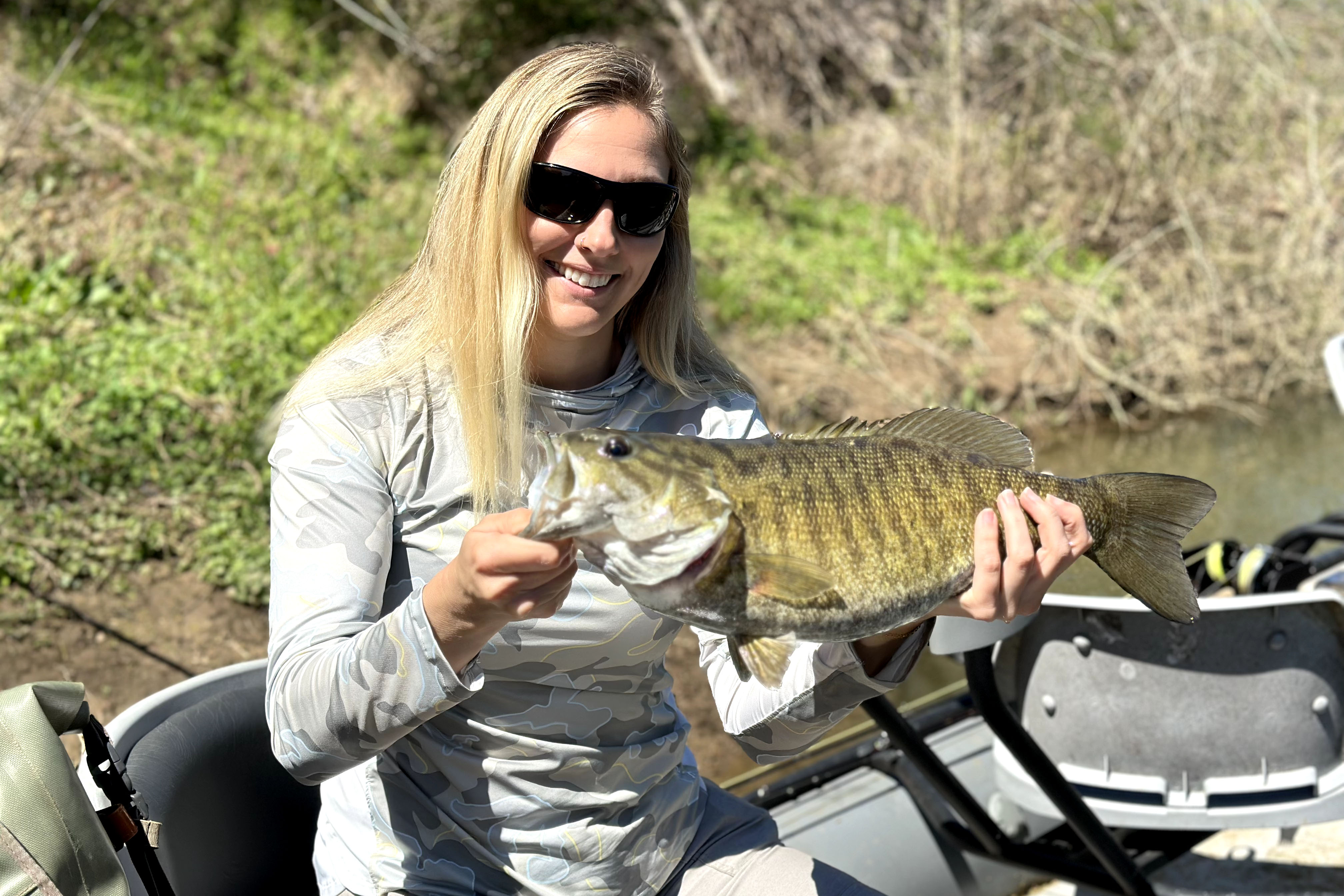
When I’m selecting a crankbait, I take five things into consideration. Here they are, in rough order of importance, although conditions and specific scenarios may alter the relative importance.
What Depth Are You Fishing?
The most important consideration to take into account when selecting a crankbait is the depth at which you will be fishing. It’s also one of the more complicated parts, so it gets a bit more attention here.
Your crankbait needs to make contact with the bottom as you retrieve it. It shouldn’t be swimming all willy-nilly in the middle part of the water column (unless fishing brush piles). Bass really key in on crankbaits when they deflect off cover, and the sudden change in direction and action is a trigger that they can’t resist.
The bottom is covered in rocks and all manner of things. You want to run your bait right into it and get the associated deflection. Additionally, running your bait along the bottom stirs up dust clouds, which tend to attract bass from a distance.
Crankbaits will say what depth they run on the package. Most baits also have a label on the bait itself, but if you have one that doesn’t, it pays to mark it with a Sharpie marker before putting it in your tackle box.
The Nuance to Crankbait Depth
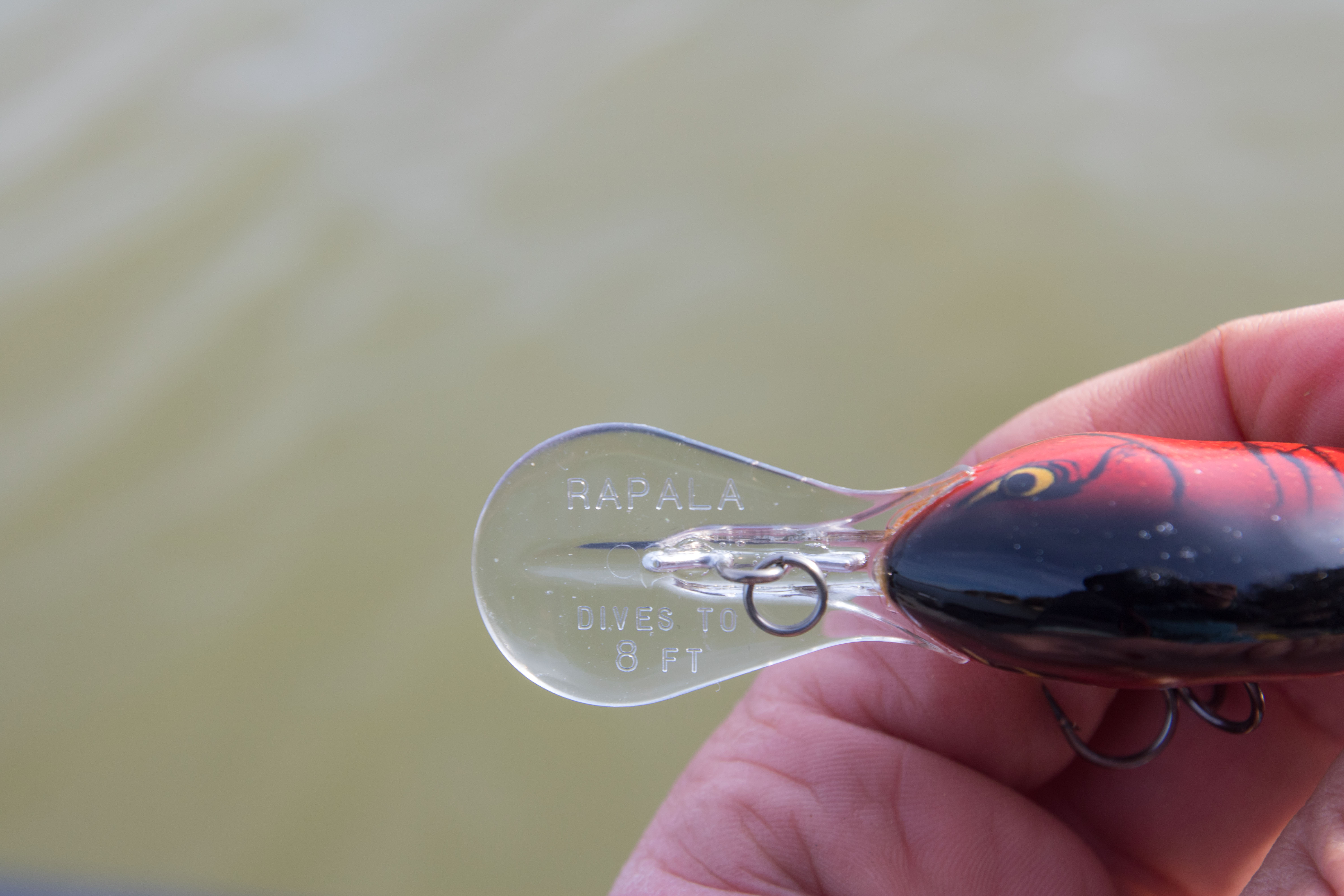
Now, there is a little nuance to crankbait depth ratings. Most crankbait listed depths are assuming you’re fishing 12-pound line and making long casts. But if you fish with a heavier line with a larger diameter, it will buoy the bait up and keep it running shallower than its advertised rating.
Also, you have to remember that crankbaits float on the surface. The only reason they dive is because of the lip on the front. They travel in a parabolic path as you retrieve.
When you reel the lure in, it starts to dive down, but it takes up a good chunk of your cast to get to the proper depth. Likewise, at the end of the cast, your crankbait will start working back up to the surface toward you. It’s only at its advertised depth for a short period of time. The longer the cast you make, the longer it will be there, and on super-short casts, it may not even attain its depth.
Due to those factors, I generally select a crankbait with a rated depth that is slightly deeper than the water I’m fishing. The Rapala DT (Dives-To) series is a great example to use, because the lures are named after the depths they fish.
If I’m fishing in 6 feet of water, I’m more likely to use a DT-8 rather than a DT-6. The DT-6 will only get to the proper depth in perfect circumstances. And this is fishing, where circumstances are rarely perfect. I’ve found that in 6 feet of water, I have more success running the slightly deeper running DT-8. You can buy crankbaits that run as shallow as a foot, and some that run over 20 feet deep. Be sure to have your bases covered.
Selecting a Crankbait Action
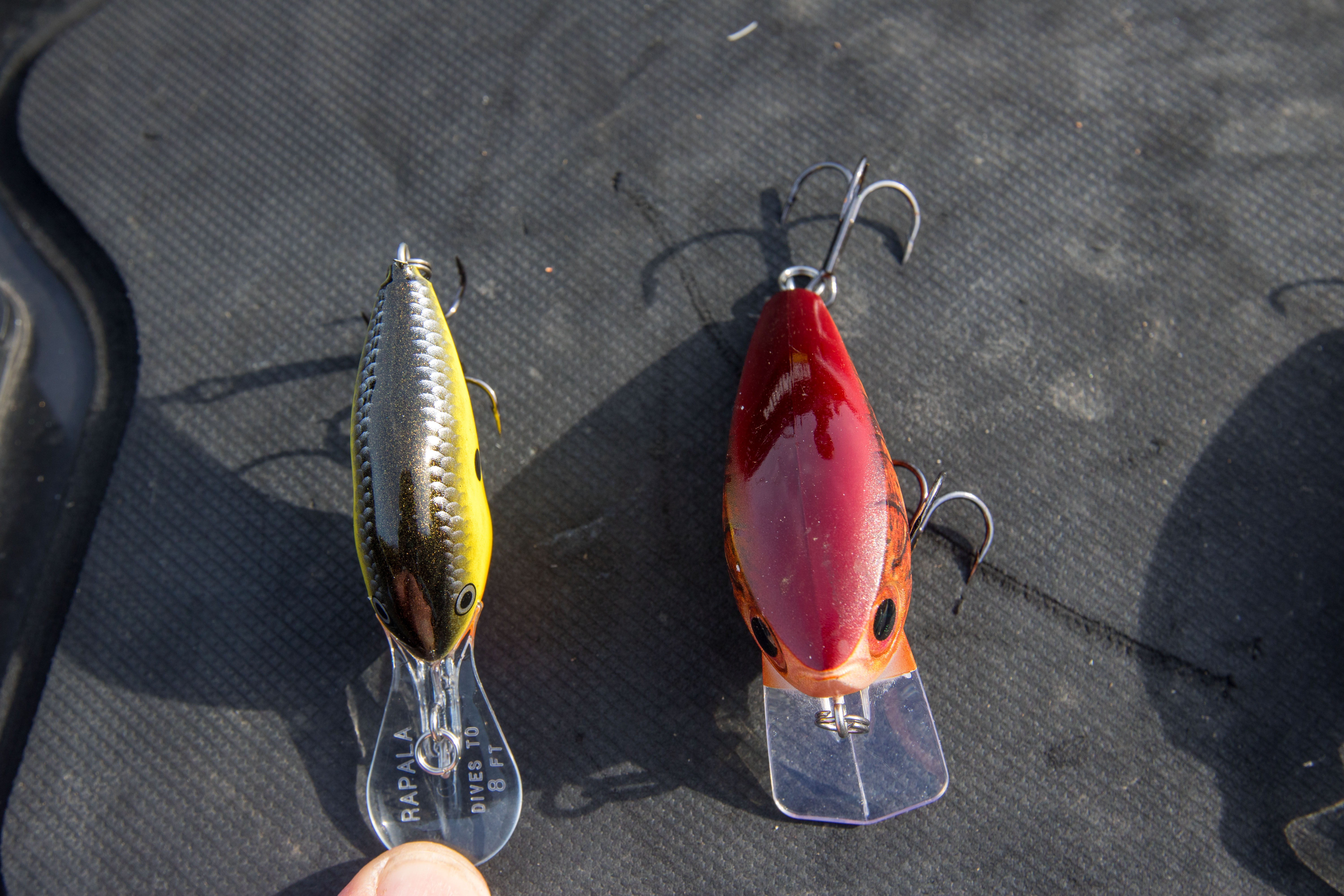
The second factor I take into consideration is action. I break it down into two categories: tight-wobbling crankbaits and wide-wobbling crankbaits.
I want the action of my crankbait to match the fish’s aggressiveness. So, as a general rule, when the water is cold and fish are lethargic, I want my crankbait to have a tight wobble. As water temperatures warm up, I want more wobble to draw in aggressive fish.
That’s great, but how do you know if the crankbait in your box has a tight or wide wobble? The easiest way is to look at the body of the bait. Baits with a flatter, thinner profile will run tighter. Conversely, baits with a bulbous, round body will have a wider wobble.
The bill will also affect the action. Narrow, rounded bills will usually give a tight action, and wide bills and square bills will create a more erratic action. Here are a few of my favorites in both categories:
Tight-Wobbling Crankbaits
- Rapala Shad Rap
- Rapala DT Series
- SPRO John Crews Little John
- Strike King Hardliner
- Berkley Frittside
Wide-Wobbling Crankbaits
- Lucky Craft LC Squarebill
- Bill Lewis ATV Squarebill
- Rapala BX Brat
- Berkley Money Badger
- Strike King XD Series
- Rapala Ott’s Garage OG Rocco
- SPRO RKCrawler
What Structure Are You Fishing?
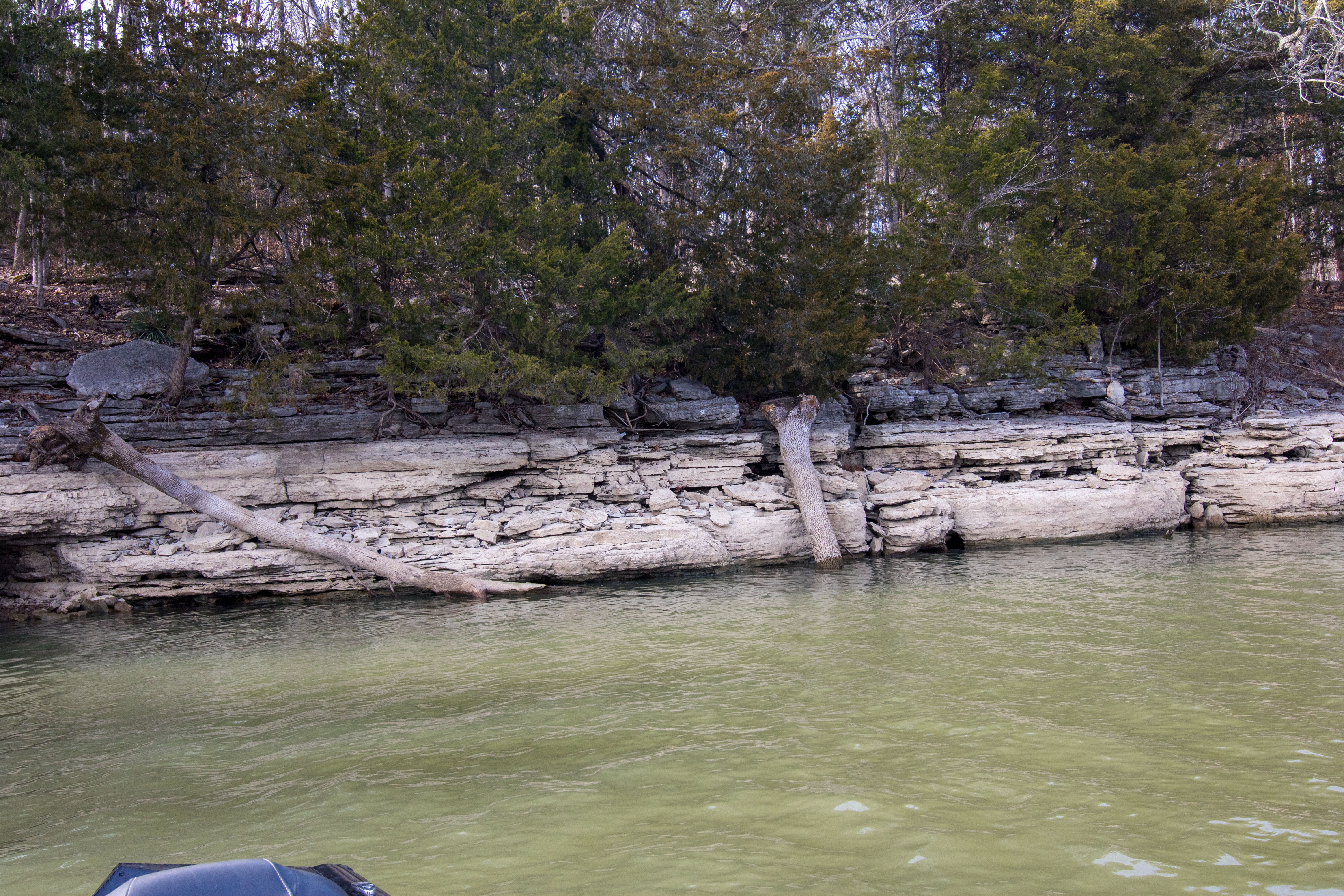
Is there anything more annoying than snagging lures? Especially lures that cost about 10 bucks each?
Most crankbaits will fish well around rock and avoid snagging. However, if you’re fishing around stumps, laydowns, and submerged brushpiles, most crankbaits will cause headaches.
If you’re fishing around wood, opt for a squarebill, regardless of water temps. A squarebill is designed to deflect exceptionally well and is one of the only crankbaits you can effectively fish around wood.
What Color of Crankbait Should You Select?
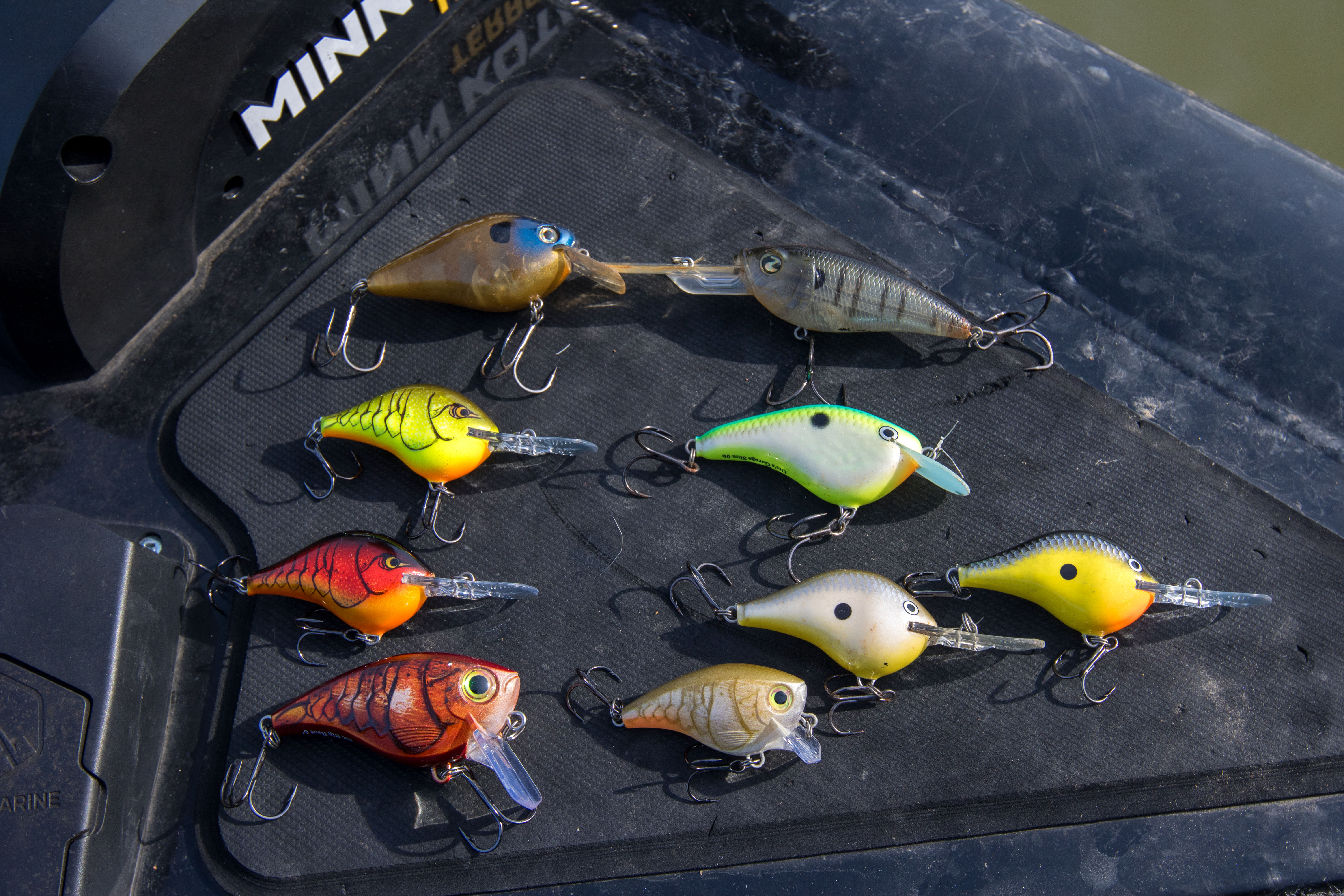
There are a ridiculous number of crankbait colors to pick from. I, however, am of the opinion that specific colors don’t matter too much. There are four general colors I always have on the boat — shad colors, crawdad colors, bluegill/panfish colors, and bright chartreuse colors.
Picking the color to throw is easy. Just match the hatch. Whatever the main forage is in your body of water, pick a crankbait that looks close to it. With the above colors, you’ll have everything you need to imitate shad, herring, perch, bluegill, and crawdads. Any crankbait worth its salt will be available in most, if not all, of those colors.
There are a few times I move away from matching the hatch. The first time is in the spring. For some reason, bass get really fired up about bright red (craw color) crankbaits. If it’s spring, that’s what I start with, no matter what.
The other time I move away from matching the hatch is in off-color water. During those times, I throw really bright chartreuse crankbaits to stand out and give fish a visual cue from a further distance. I’ll also switch to bright colors if I’m not catching as many fish as I think I should be on more imitative colors. I’ve had days where my catch rate doubled by switching from a standard shad-colored bait to bright-colored crankbait, even in clear water.
Crankbait Size: Don’t Be Afraid to Downsize
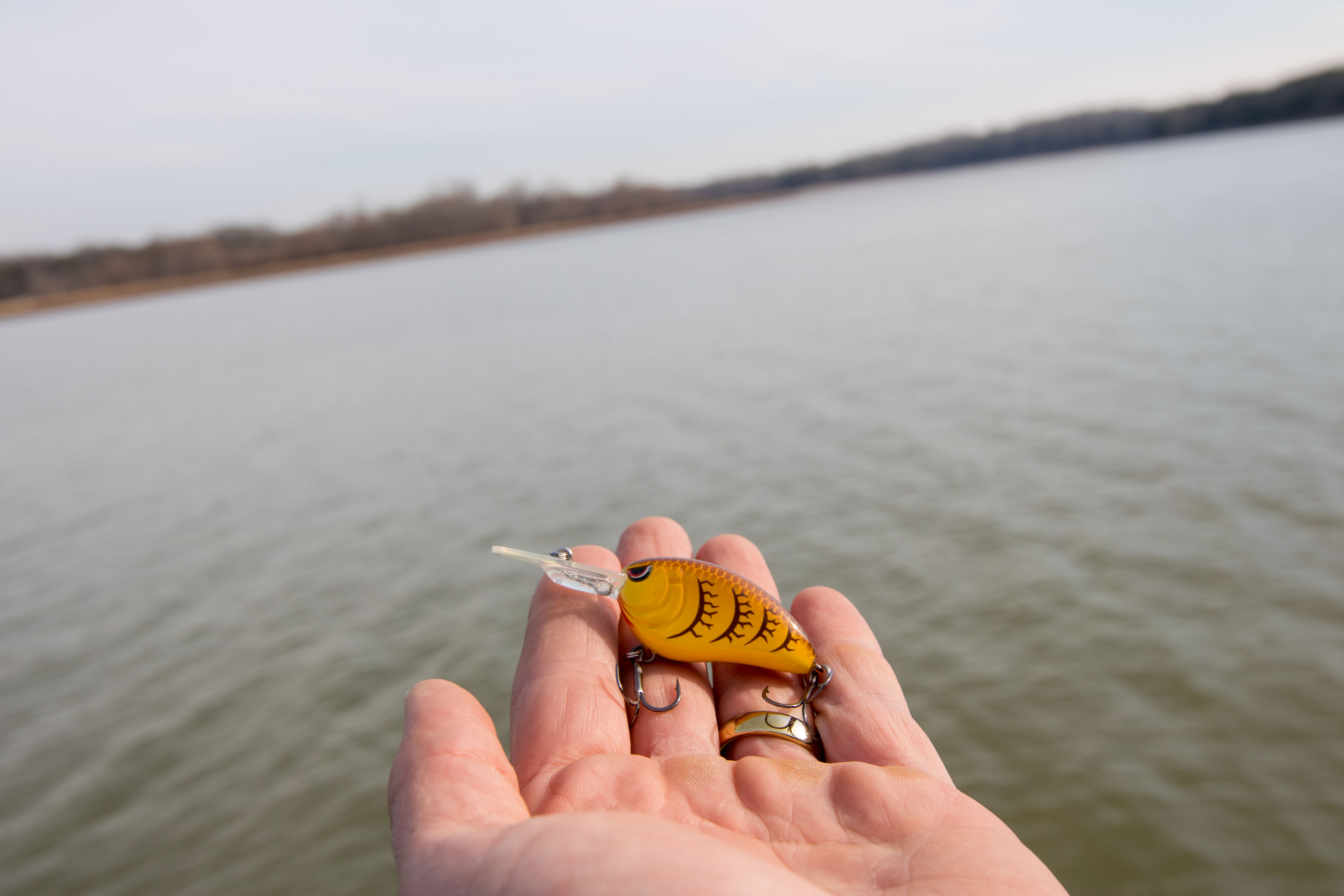
Anglers used to be pretty limited in the size of crankbait based on the depths they fished. There weren’t many options. Most shallow cranks were small, and deep divers, like the 10XD (a legendary must-have), were giant.
Nowadays, you can get a variety of sizes at different depths. I find a lot of success by downsizing, and there are some sweet, tiny crankbaits that get to deep depths, like the SPRO Little John Series. Going small can really pay off on pressured fisheries.
That being said, sometimes, especially in murky or warmer water, the drawing size of a big crankbait like the XD series can’t be beat.
Final Thoughts: A Caveat on ‘The Rules’
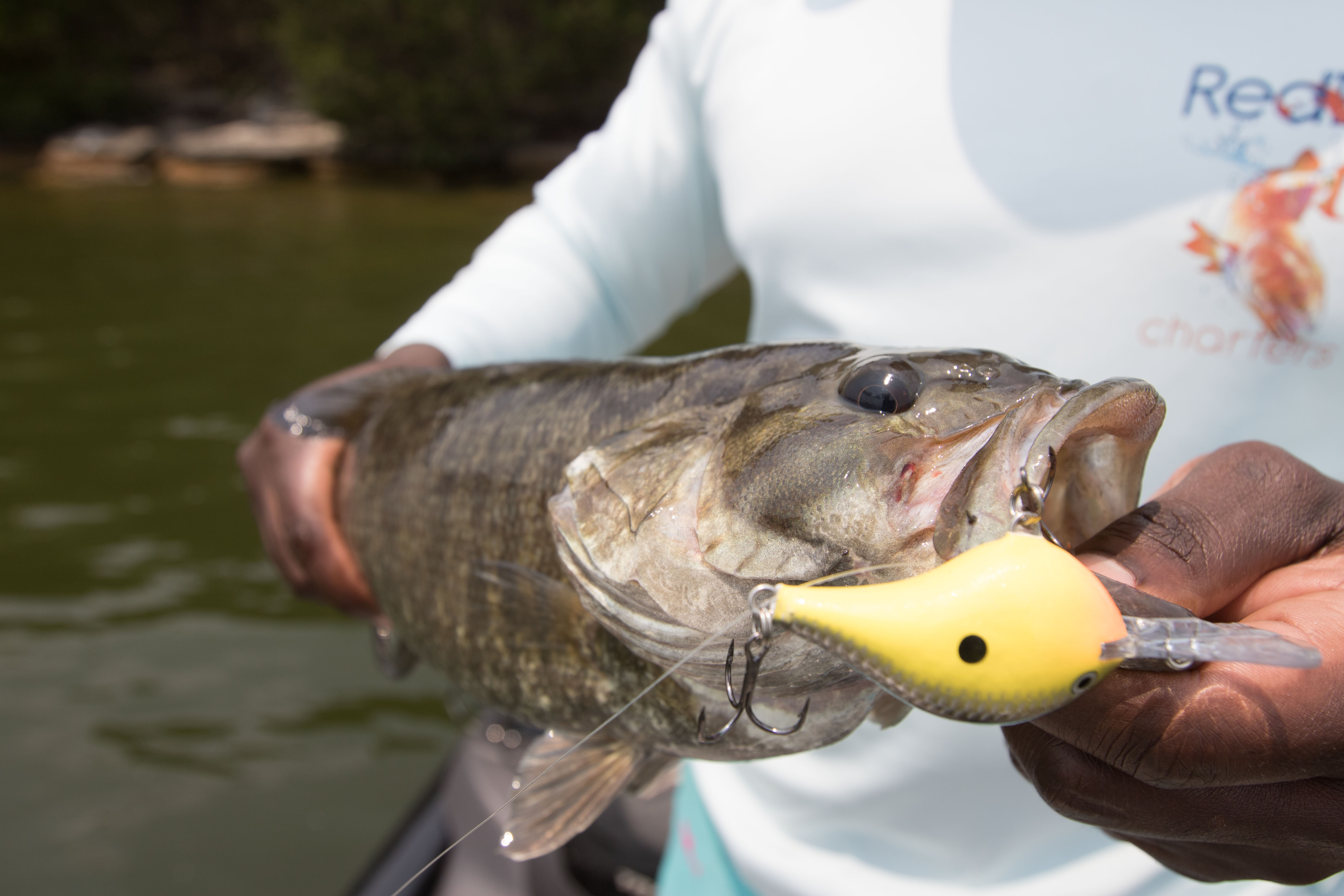
This is fishing. The fish are blissfully unaware of my and anyone else’s “rules.” Bass march to the beat of their own drum.
Sometimes, they do things that are completely irrational. Additionally, every body of water is different, and what works great in one place may not work in another. That’s what makes it fun.
The above recommendations are just that. A recommendation, and a place to start. But, if you’re out on the water and the tried and true ain’t working, don’t be afraid to go off script. You may just find some crankbait rules of your own.
Read the full article here