Battle Over Bison: How the Icon of the American Prairie Became a Political Lightning Rod



A 90-year-old grazing law just collided with one of the most controversial conservation efforts in the American West. In January 2026, the Bureau of Land Management (BLM) issued a Proposed Decision to rescind grazing permits that allowed the privately owned bison of American Prairie, a Montana-based nonprofit conservation organization, to graze federal allotments in central Montana.
Those permits were approved in 2022 after environmental review. Now, the agency says it lacks authority under the Taylor Grazing Act to authorize that use.
I live in the middle of this fight.
On my town’s main street sits the American Prairie visitor center. A few blocks away, “Save the Cowboy” yard signs and billboards line the roads. The slogan represents a grassroots campaign opposing American Prairie’s expansion, arguing that large-scale conservation ownership threatens ranching communities and rural identity.
Around here, this isn’t theoretical. I know families who support the organization and families who see it as an existential threat. I’ve heard the arguments at brandings and town events. I’ve watched conversations tighten when someone wears an American Prairie hat in public.
And while the actors in this fight appear distant from many Americans, at the heart of this issue are two crucial questions: Who is ultimately responsible for the decline of U.S. ranchers, and what is the spirit of the law — its words, or its precedent?
What Is American Prairie?
For some, American Prairie represents restoration and public access. For others, it represents land consolidation and cultural erosion. The grazing decision is simply the latest flashpoint in a fight that has been simmering for more than 2 decades.
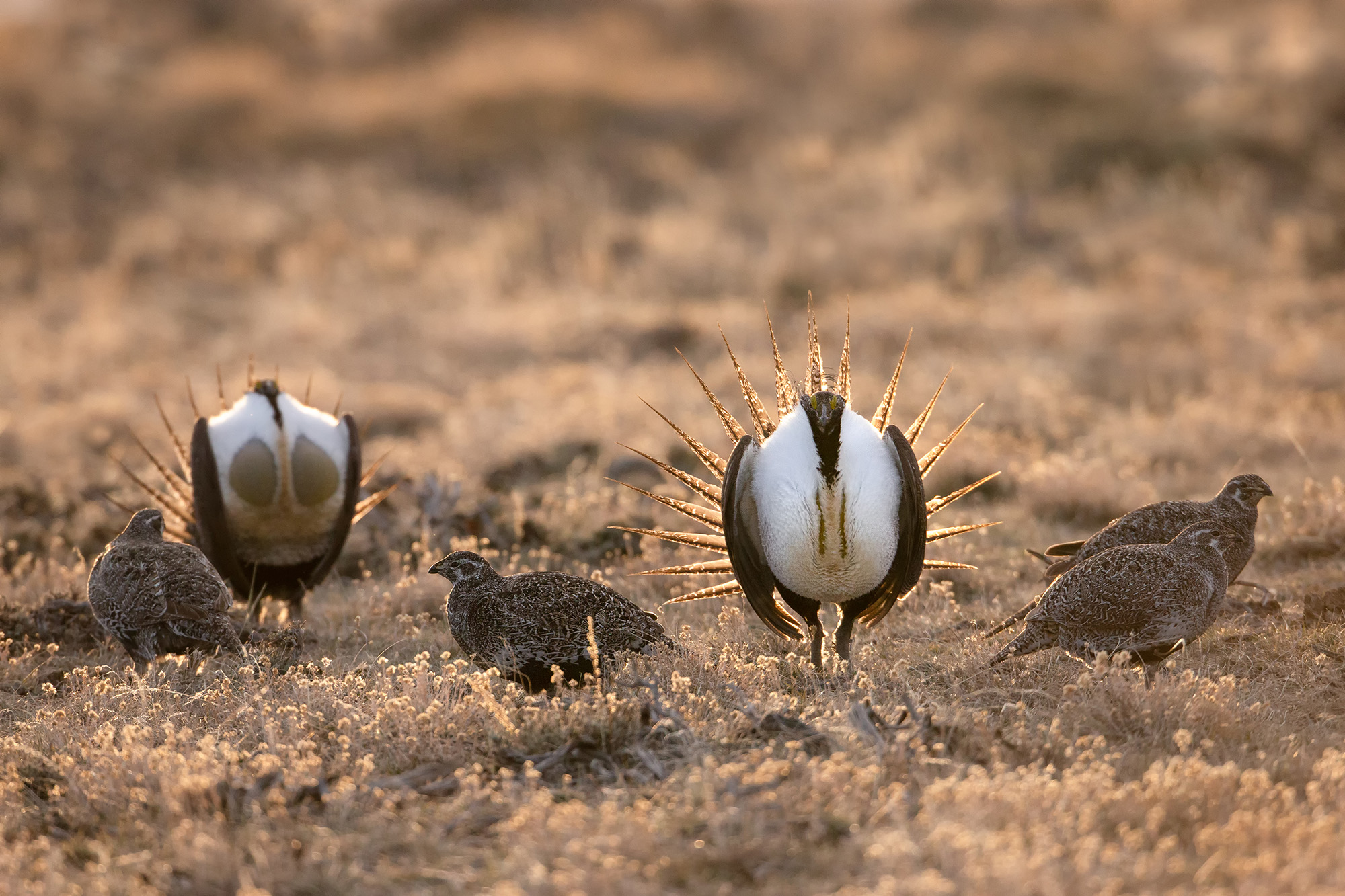
American Prairie was founded in 2001. Its stated mission is to assemble and restore a large, connected prairie ecosystem in north-central Montana by purchasing private land from willing sellers and linking those properties with surrounding public lands. The long-term vision is ecological restoration at scale, including the return of native species such as bison and the reestablishment of functioning grassland systems.
Beyond restoration, American Prairie emphasizes public access and hunting opportunities. The organization states that much of its deeded land is open for public recreation under posted guidelines and that the public may cross certain properties to reach adjacent public land.
It participates in Montana Fish, Wildlife and Parks’ Block Management Program and administers drawing-based hunting opportunities on some properties. The organization reports that more than 82,000 acres of its deeded land are enrolled in Block Management, allowing public hunting under state oversight. It also conducts managed public bison harvests as part of herd health and population management.
Access Issues
That access piece matters because it is often missing from the public conversation.
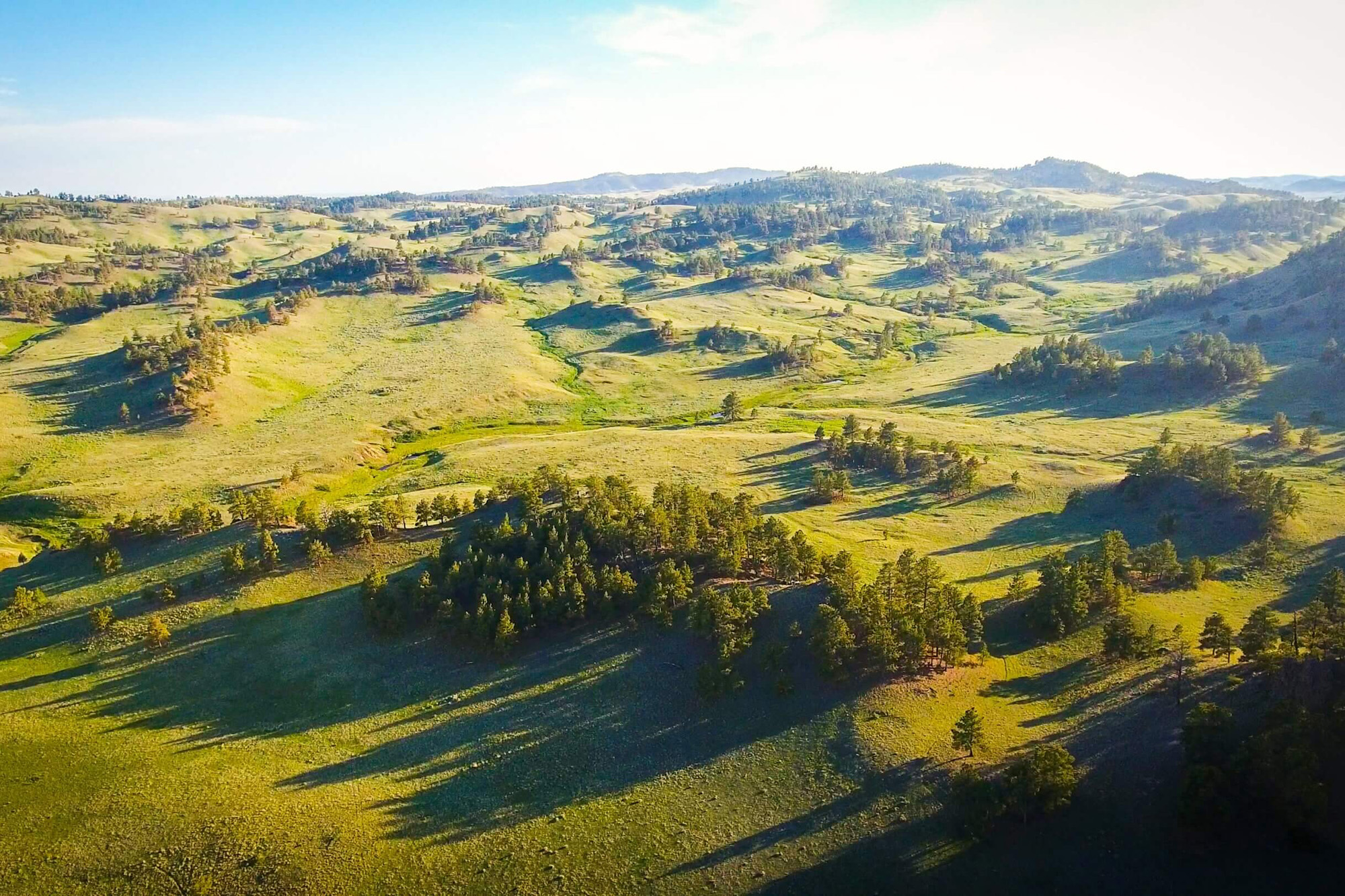
Just look at the Anchor Ranch. American Prairie purchased the historic property along the Missouri River Breaks. One of the most significant outcomes of that acquisition was the reopening of Bullwhacker Road, a long-standing access route that had been closed to the public under prior ownership. Restoring road access reconnected hunters and recreationists to large stretches of adjacent BLM and state land in the Breaks that had effectively been landlocked by previous ownership.
Yet, skepticism about the organization’s long-term intentions remains immensely strong in the community.
Ground Still Grazed by Local Cattle
Critics argue the organization is buying up ranches and locking up working ground. It’s the entire platform of the “Save the Cowboy” movement.
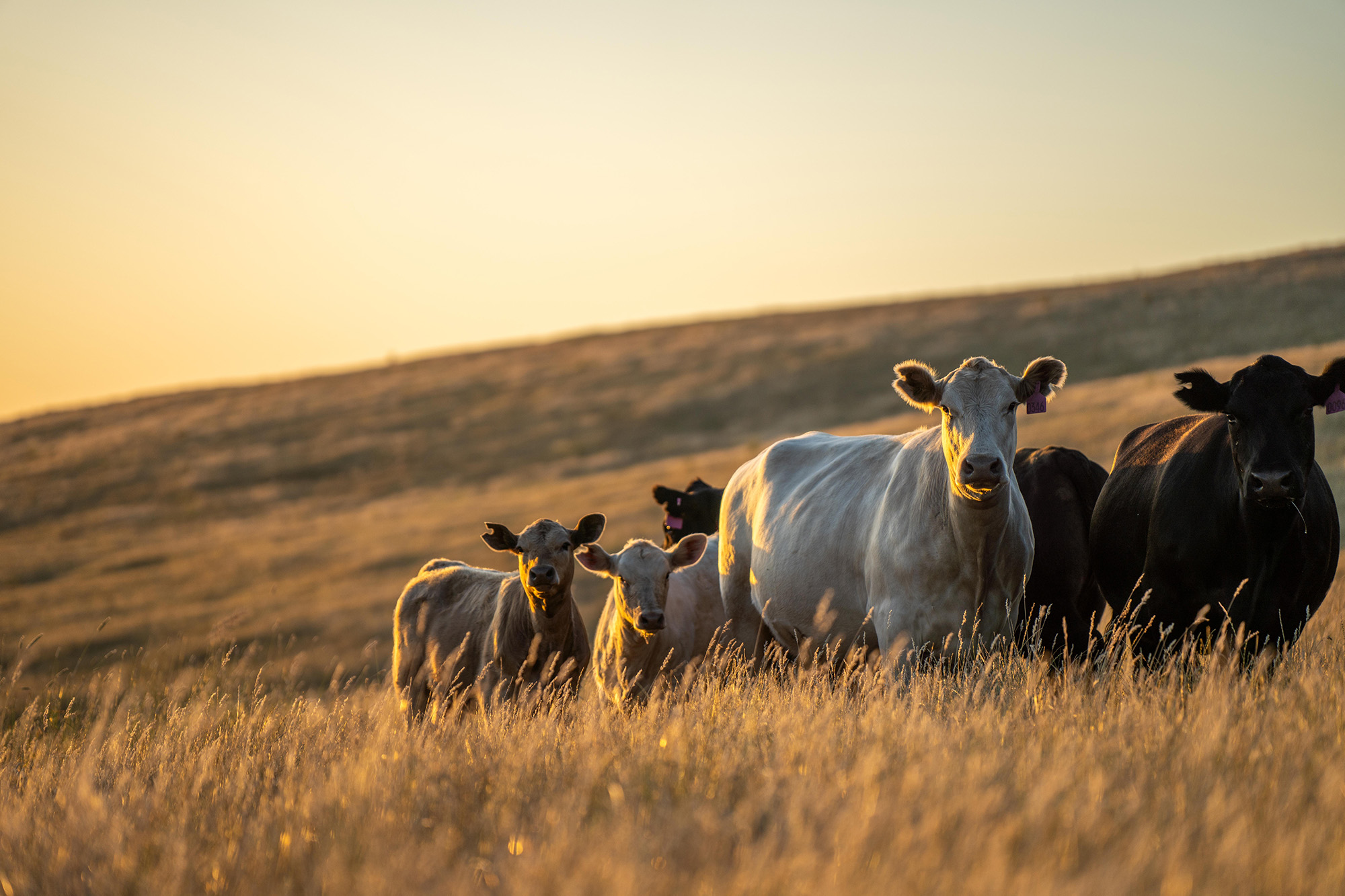
However, American Prairie counters that it continues to work with livestock producers, leasing land across 10 of its 12 management units to ranchers who graze roughly 8,000 head of cattle. The model blends conservation ownership with ongoing agricultural use, though not everyone accepts (or maybe is unaware) of that balance. The idea that cattle no longer wander these grounds is false.
The Current Battle
The animal at the center of this dispute is the American bison, specifically American Prairie’s privately owned herd. The legal question is whether those bison qualify as “livestock” for purposes of federal grazing permits under the Taylor Grazing Act and related authorities.
For American Prairie, that determination carries broader implications than herd numbers alone. Its restoration model links privately deeded land with adjacent federal allotments, so grazing systems function across boundaries rather than in isolated parcels.
If bison are excluded from federal grazing authorization, that integrated system no longer operates under the same framework long applied to cattle, forcing the organization to restructure how its landscape-scale model functions.
The Taylor Grazing Act Rules
The Taylor Grazing Act of 1934 authorizes the Secretary of the Interior to issue permits to graze “livestock” on designated grazing districts. The statute itself does not define the term.
The federal grazing regulations do, however. In 43 CFR § 4100.0-5, “livestock” is defined as cattle, sheep, horses, burros, and goats. Bison are not listed in that definition.
At the same time, the Taylor Grazing Act does not expressly exclude bison. The statute speaks broadly of livestock without naming species.
That gap between the statutory language and the regulatory definition is at the heart of this dispute. The current question is whether Interior’s authority is limited strictly to the species listed in regulation, and whether bison fall outside that definition, or whether past agency practice allowing bison grazing reflects a broader reading of the term.
In other words, the conflict is not just about the word “livestock.” It’s about how that word is interpreted, and whether the agency is applying that interpretation consistently with its own prior decisions.
What BLM Says
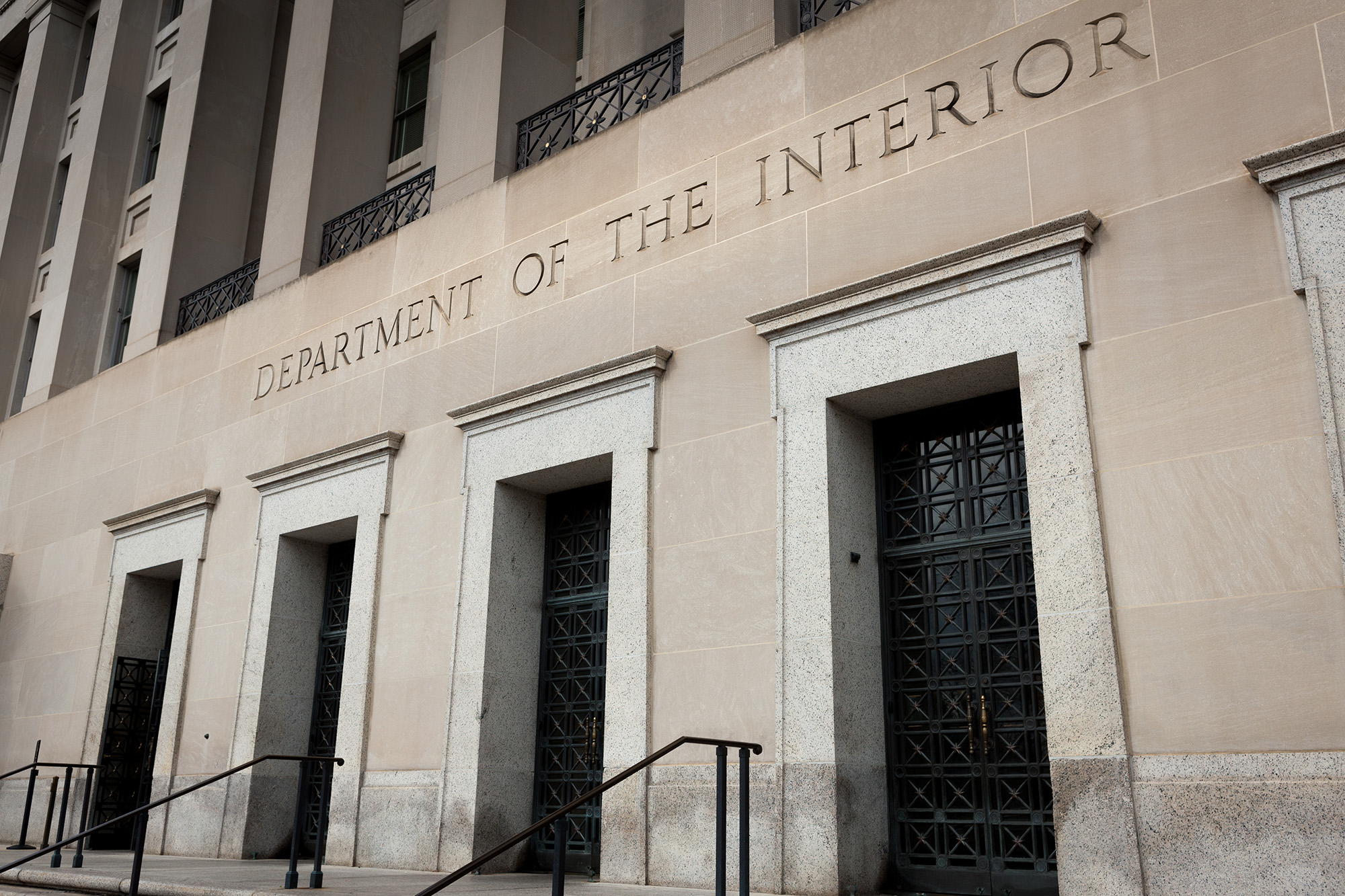
In its January 2026 Notice of Proposed Decision, the BLM said it is acting under a remand ordered within Interior’s administrative appeals process. The document states that in December 2025, the Secretary of the Interior assumed jurisdiction over the appeals of the 2022 decision and granted a remand directing the BLM to reconsider the prior authorization in coordination with the Office of the Solicitor.
The BLM’s proposed rationale is blunt. It says its Taylor Grazing Act permitting authority is limited to cases where the animals are domestic and used for production-oriented purposes, and characterizes American Prairie’s bison herd as being managed as wildlife, not for production.
Because of that, the BLM proposes rescinding the earlier authorization and reissuing cattle-only permits on allotments where cattle and or bison had been authorized. Montana elected officials and ranching groups publicly praised the BLM’s proposed move to cancel bison grazing authorizations and reissue cattle-only permits.
Governor Greg Gianforte applauded the proposed decision on January 16, 2026, calling it “a win for Montana’s ranchers… and the rule of law,” and he thanked Interior Secretary Doug Burgum while arguing that federal overreach should not come at the expense of local communities and “production agriculture.”
Montana Attorney General Austin Knudsen issued a statement the same day praising the proposal, arguing it would protect ranching communities from “elitists,” and asserting that the earlier decision violated federal law.
The Montana Stockgrowers Association also praised the proposed action, emphasizing the return to cattle-only permits on the affected allotments.
From that perspective, the story is simple: The Taylor Grazing Act exists to regulate grazing by domestic livestock for production, and a conservation-oriented bison herd does not qualify.
What American Prairie and Allies Say
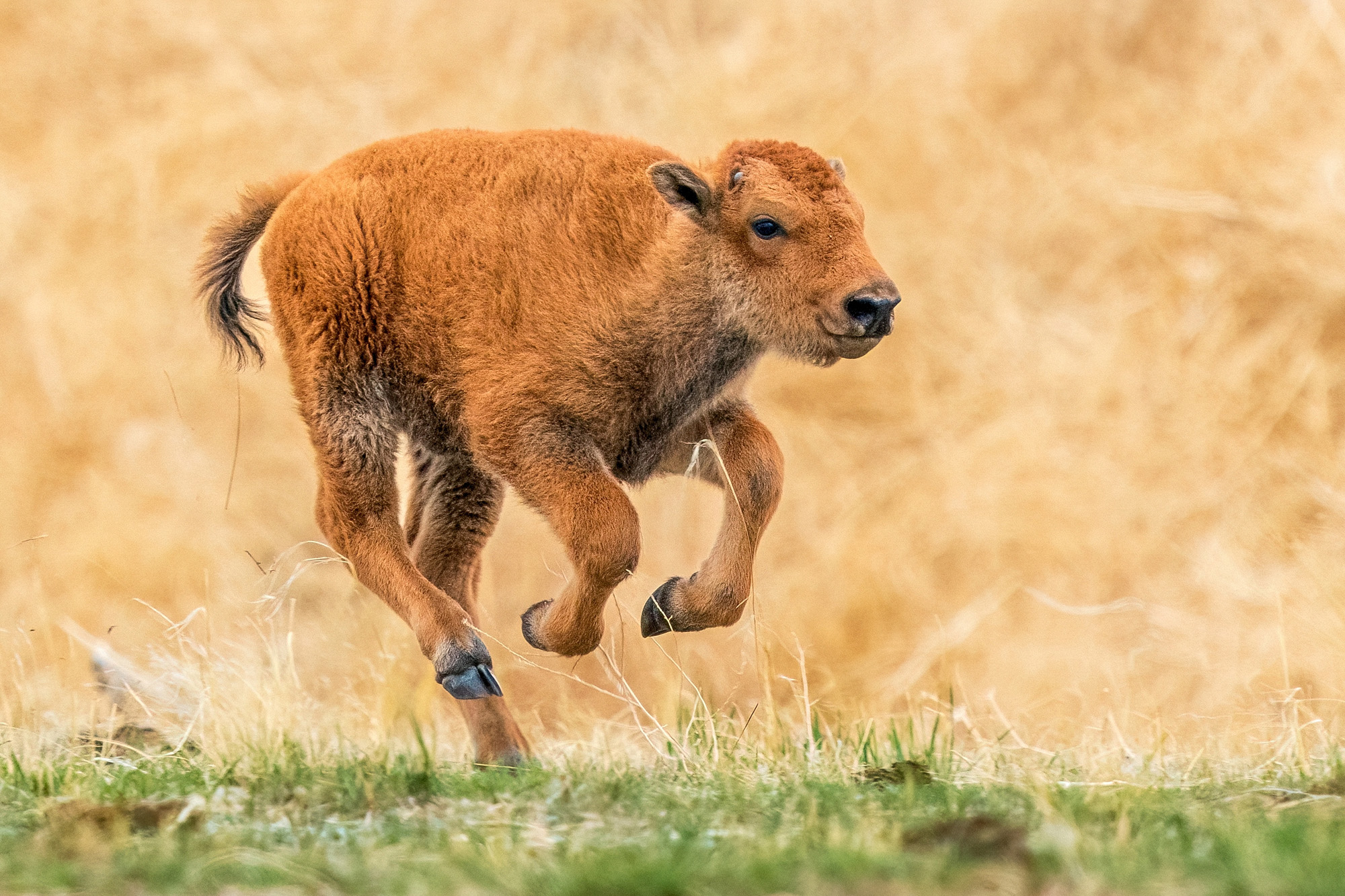
American Prairie disputes the BLM’s interpretation and the proposed rollback.
In its February 2026 response to the Notice of Proposed Decision, the nonprofit characterized the move as a reversal of the agency’s 2022 authorization following a full environmental review. The organization maintained that its bison are privately owned and managed under BLM grazing permits in the same administrative system used for other permittees.
In 2022, the BLM approved the change of use from cattle to bison on the affected allotments after completing a National Environmental Policy Act review and issuing a Finding of “No Significant Impact.“
The organization also argues that the dispute extends beyond its own operations. Protests were filed not only on its behalf, but also by tribal and nonprofit entities, including the Coalition of Large Tribes. Those filings warn that limiting BLM grazing authority to species explicitly listed in regulation, or to “production-oriented” livestock, could complicate or jeopardize tribal buffalo restoration programs that rely on federal allotments.
In its 2022 Environmental Assessment and Proposed Decision Record, the BLM acknowledged that privately owned bison have been permitted as livestock on certain federal allotments and referenced bison grazing permits administered in multiple western states. That prior approval now stands in tension with the agency’s proposed 2026 interpretation.
Why It Matters
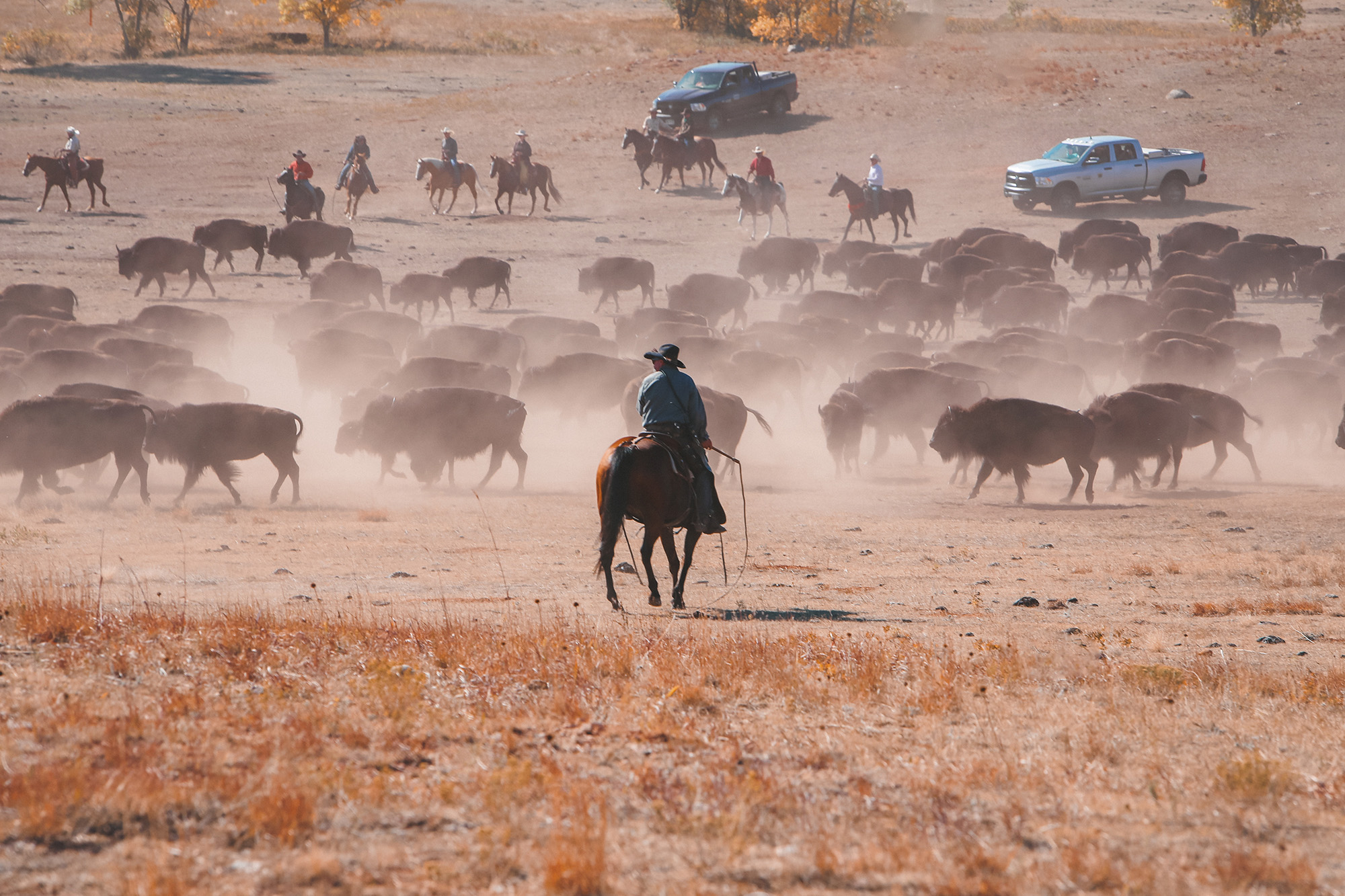
It would be easy to frame this as a fight between a conservation nonprofit and traditional ranching interests. That framing misses what’s actually at stake.
If the “production-oriented” lens outlined in the January 2026 Proposed Decision becomes the controlling threshold for federal grazing permits, it could reshape who qualifies for access to public rangelands and for what purpose. If privately owned bison don’t qualify as livestock under that interpretation, the implications extend beyond American Prairie’s allotments.
The current proposed rescission stands in contrast to that earlier approval and introduces a narrower interpretation of the agency’s authority. American Prairie argues that such a shift would create uncertainty not only for its permits, but for other bison operators and tribal restoration programs that rely on federal grazing authorizations.
To put it simply, if you fancy a bison burger or have reverence for Native American traditions and way of life, this decision affects you.
The Legal Question: What Comes Next
For now, the notice remains a Proposed Decision. The protest period has closed, and the BLM must respond before issuing a final determination. If the agency finalizes the revocation, the next step is administrative appeal and, likely, federal court.
At that point, the question will narrow. A court would examine whether Interior’s interpretation is reasonable, whether it aligns with its own regulations and past decisions, and whether the agency adequately explained the shift from its prior authorization to its 2026 proposed rescission.
Political Undercurrent
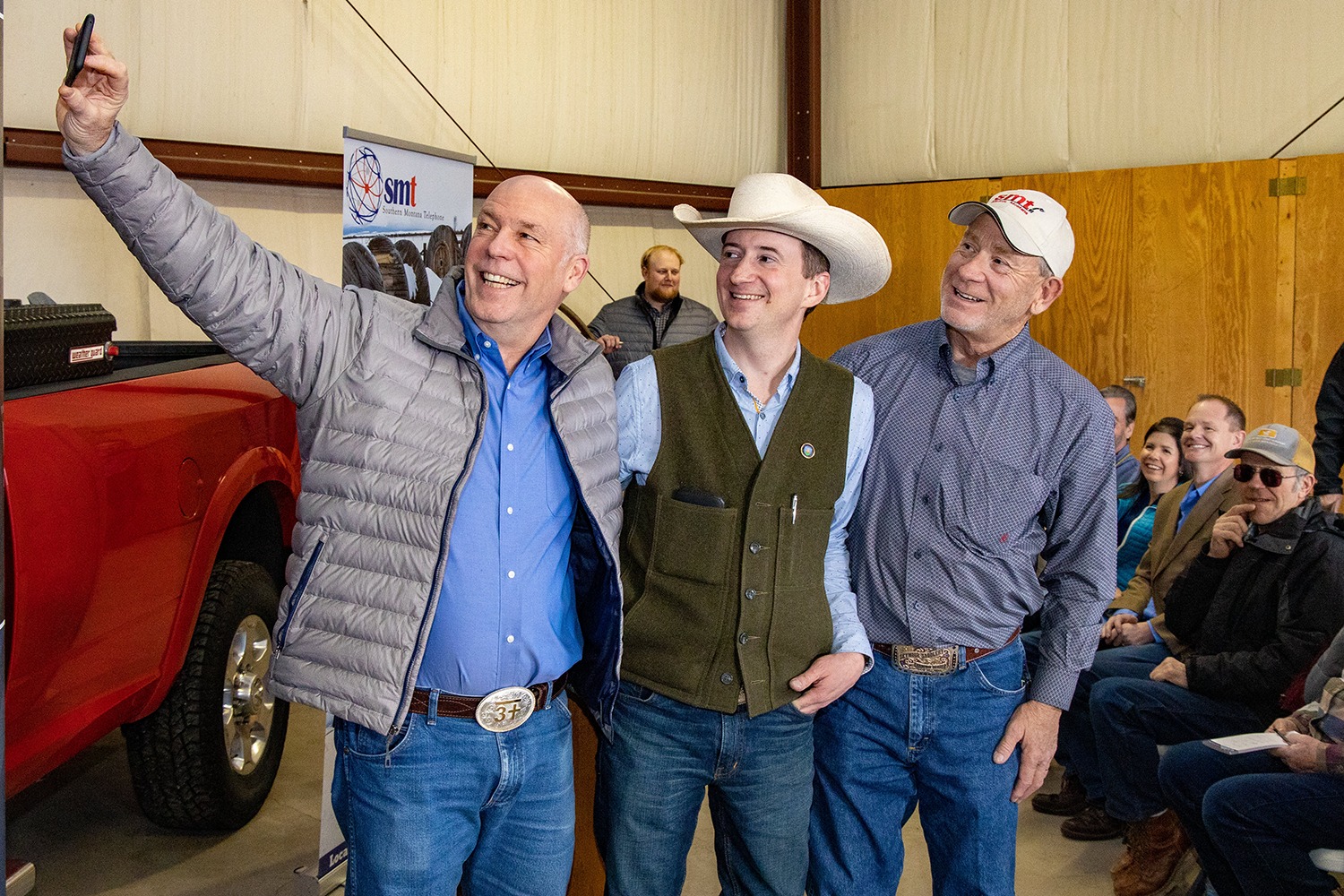
There is no pretending political motivations aren’t involved.
American Prairie has been controversial in Montana for years. “Save the Cowboy” messaging has been visible across central Montana, and elected officials have not been shy about aligning themselves with that sentiment. The grazing permit fight is unfolding inside a broader cultural and political struggle over land use, identity, and the future of rural communities.
This decision also arrives in an election year. In this state, support from the ranching community carries weight, and opposition to American Prairie reliably energizes a base. That doesn’t automatically make the legal argument wrong, but it does make the political incentive obvious.
What makes the rhetoric harder to ignore is the contrast. Politicians rally around protecting the American cowboy and defending domestic production, yet Montana’s beef industry operates in a global market.
Wearing a “Save the Cowboy” hat while eating a steak imported from Argentina makes for quite the hypocritical lunch. President Trump signed an order quadrupling beef imports this month. So far, Governor Greg Gianforte has remained silent on the issue.
Voters can decide for themselves how much that matters.
The Line That’s Being Drawn
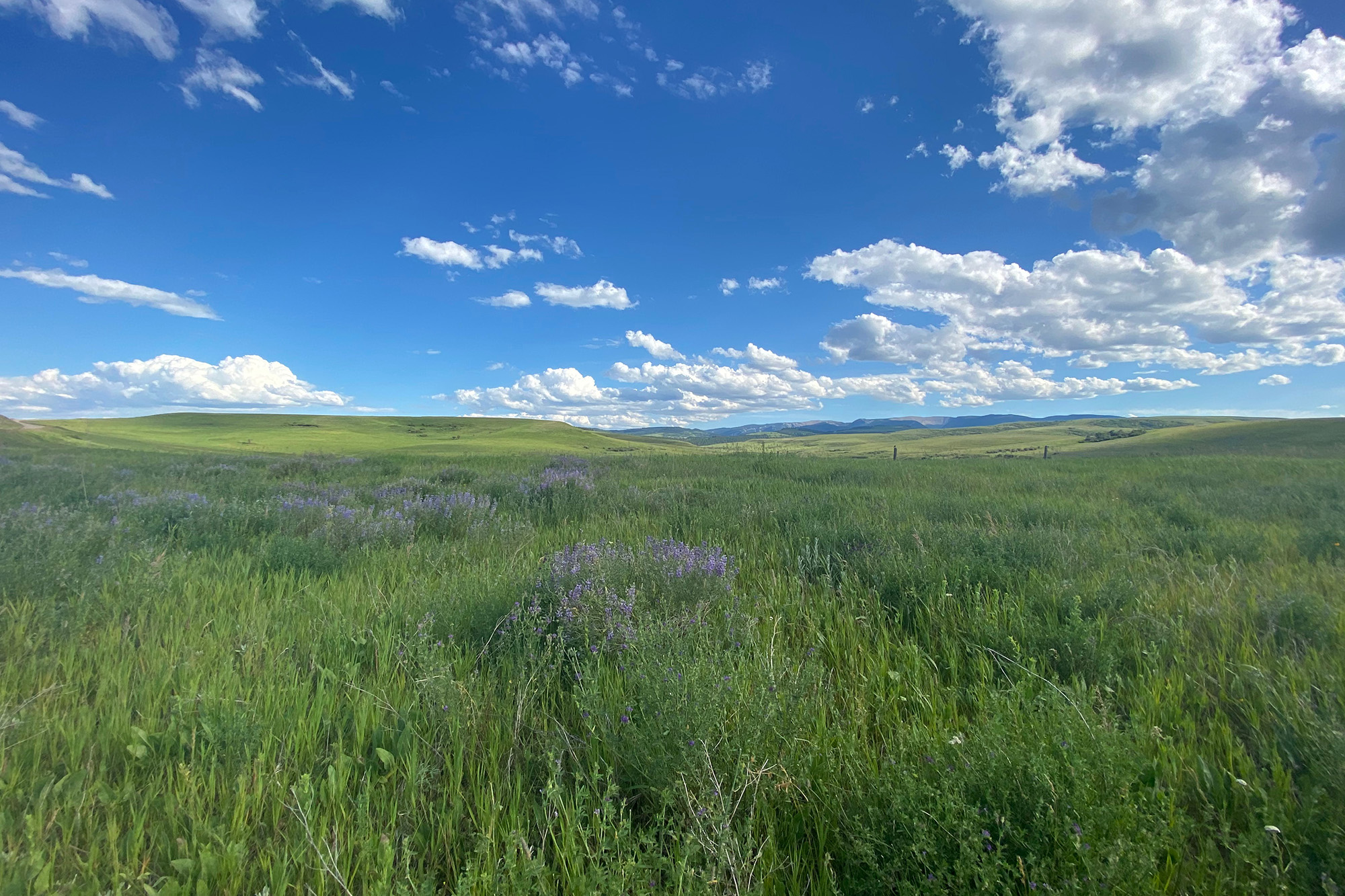
Strip away the press releases and yard signs, and this comes down to whether federal law is applied evenly.
American Prairie is acquiring land through willing sellers, the same private property framework long defended across the West. Whether one supports its mission or not, those transactions are legal. If the Taylor Grazing Act authorizes livestock grazing, that definition should not shift depending on who holds the permit.
The rhetoric surrounding this fight often paints American Prairie as eliminating cattle or pushing ranchers off the land. Yet the organization leases its land to livestock producers, with thousands of local cattle grazing on American Prairie–owned deeded ground. More cattle currently graze its land than bison. That fact rarely makes it onto a yard sign.
None of this means the organization should be above scrutiny. It does mean the debate should be rooted in facts, though. If the goal is truly to save the cowboy, it is worth asking what actually threatens working ranchers today. Is it really a nonprofit leasing ground back to producers? Or could it be the rising input costs, volatile beef markets, drought, land consolidation, and shifting federal policy?
American Prairie didn’t create those pressures. It entered a landscape already shaped by them.
With My Own Eyes
I’ve seen the public access American Prairie has helped create, the acres enrolled in Montana’s Block Management Program, the hunting opportunities it administers, and the grazing leases it offers to local ranchers.
I’ve also seen what it personally costs to express that support where I live. Being hated by your neighbor is a risk you learn to take if the goal is truth. I’m sure I’ll lose access to a few hunting spots for opening my mouth on this one.
In the end, this is much bigger than bison. It is about whether public lands are governed by statute and precedent, or by political pandering. In America’s backyard, my backyard, that difference matters.
Read the full article here