Federal Government Opened 2 Million Acres of Public Land in Alaska to Mining and Development



Alaska has long been at the center of the debate over the fate of public lands under the Trump Administration, and it made headlines again this week. On Feb. 20, the Department of the Interior (DOI) announced that it would open 2.1 million acres of land in the state for oil, mining, and other economic development. The move is part of a longstanding effort to roll back wilderness protections in order to boost energy development there.
The Order and the Land
In issuing Public Land Order (PLO) No. 7966, the DOI is essentially transferring control of the land to the state, which can then lease or develop it. To do so, the DOI revoked two prior PLOs (5150 and 5180), which protected these areas.
“Alaskans know what’s best for Alaska and revoking these Public Land Orders will empower Alaska to chart our own future on these lands,” Alaska Governor Mike Dunleavy said in a press release.
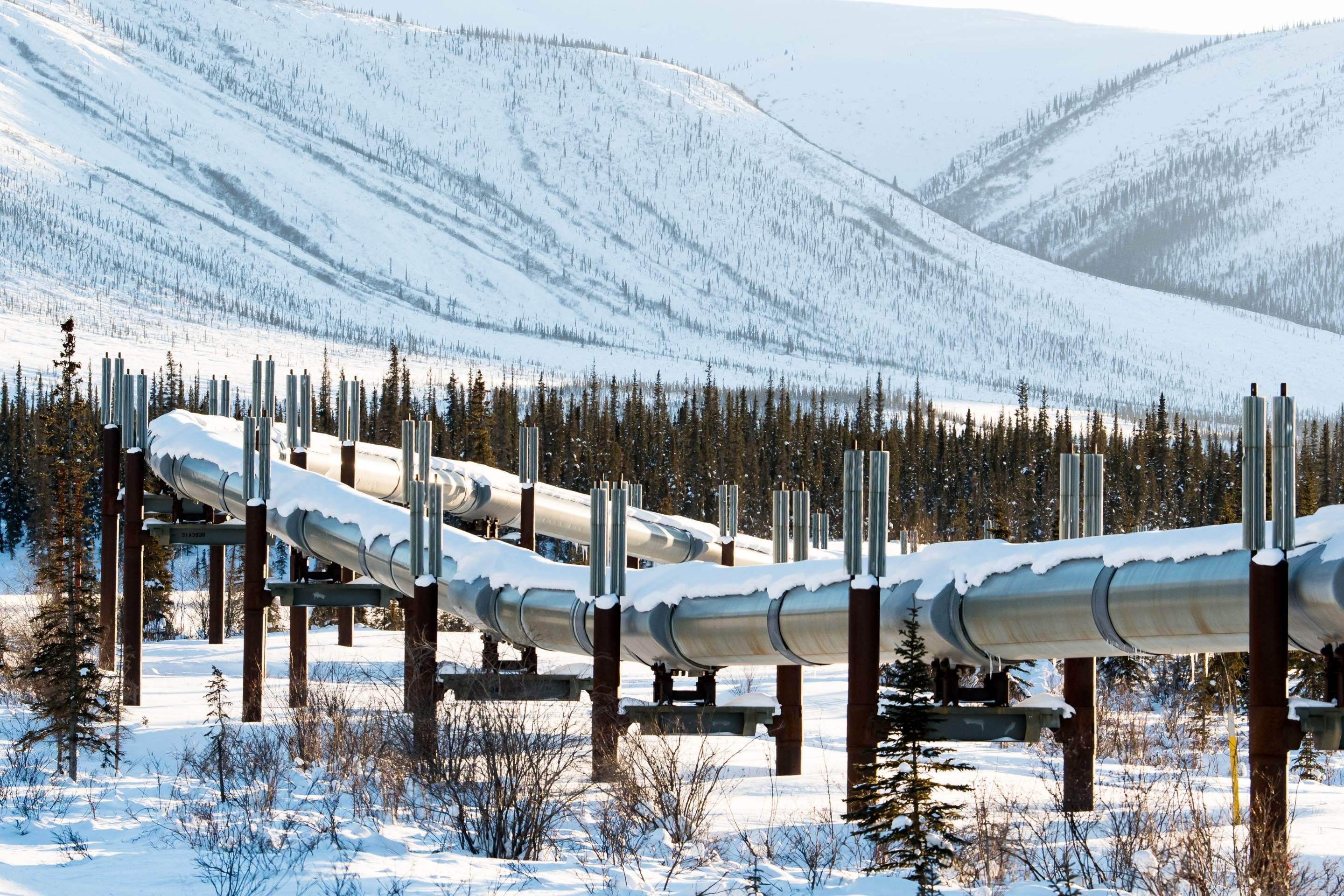
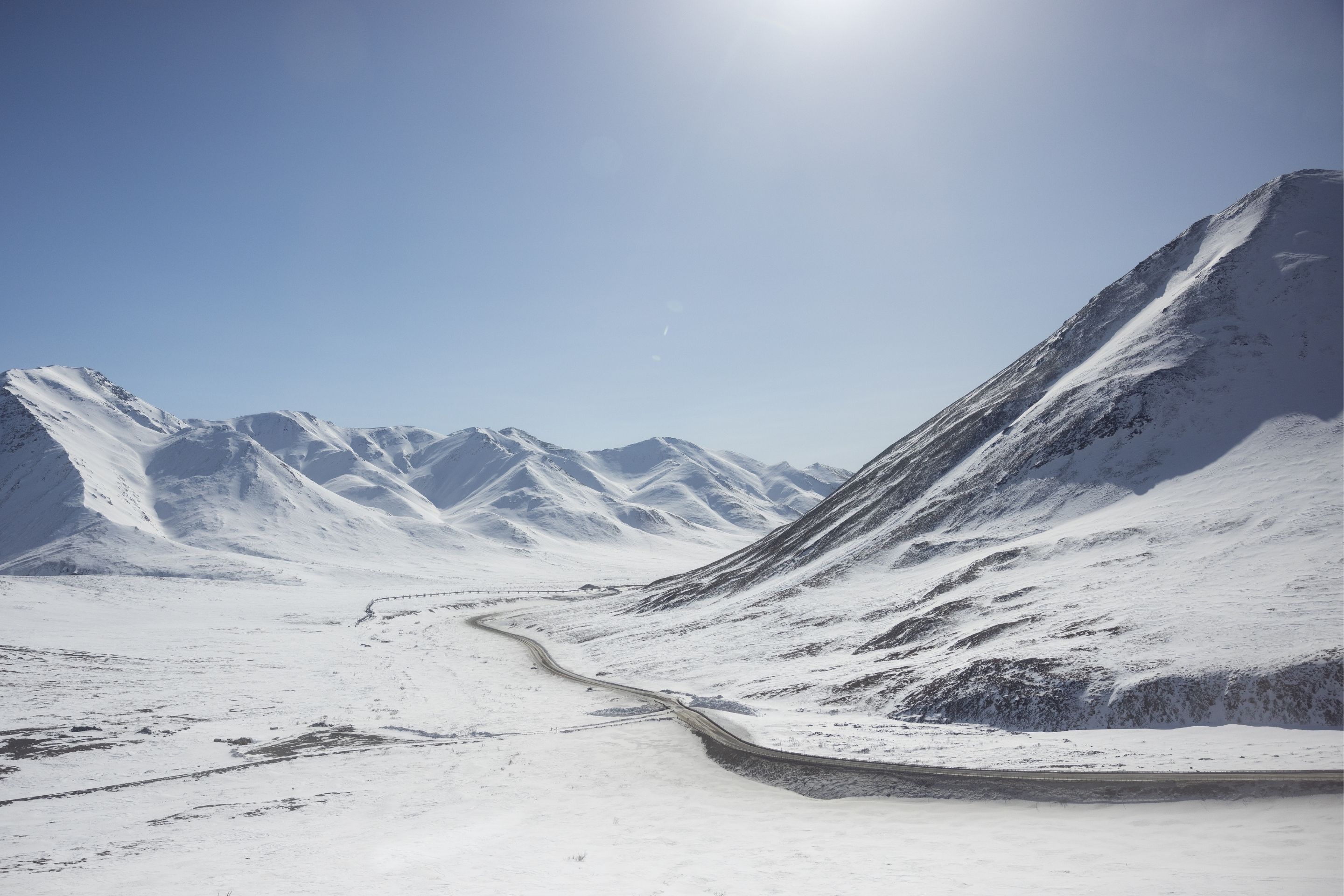
The order applies to the land north of the Yukon River and around the Dalton Utility Corridor, which includes major infrastructure projects like the Trans-Alaska Pipeline.
Other proposed infrastructure projects in the area include the Alaska LNG, an 800-mile natural gas pipeline, and Ambler Road, a 211-mile private industrial road to connect a mining facility with Dalton Highway.
In the announcement, the DOI linked the move to efforts to expand domestic energy and mineral production, citing Trump’s Executive Order entitled “Unleashing American Energy.”
“By opening these lands, we are empowering Alaska to chart its own course and develop energy, minerals, and infrastructure that strengthen America’s security and prosperity,” DOI Secretary Doug Burgum said.
The DOI and Bureau of Land Management (BLM) are expected to work to issue more public land orders in the future. The agencies said that the goal is to transfer 5.2 million acres of land in Alaska back to the state.
This is one of many measures the federal government has taken to develop mining. In March, the DOI announced it would begin gas and mining leases in Alaska’s Arctic National Wildlife Refuge (1.56 million acres).
Those in Favor
Several politicians and business groups applauded the move. The state’s one Congressman and two Senators all supported the measure.
“For decades, the federal government has left obsolete PLOs in place to keep tens of millions of additional acres of Alaska locked up as de facto conservation areas. These designations have held back statehood land selections and resource development, giving the federal government a toehold to delay or reject important projects while depriving our state of crucial opportunities for jobs and revenues,” Senator Lisa Murkowski said in a press release.
Valhalla State Mining looked forward to the potential opportunities that Ambler Road would provide. “[It] would unlock a host of critical and strategic metals located in the Ambler Mining District — all metals necessary for the green energy and transportation transition and to ensure a secure domestic supply chains for these metals,” the company said in a press release.
Those Opposed
Multiple conservation nonprofits condemned the move. The Northern Alaska Environmental Center cited concerns over environmental impacts to the Yukon River watershed, caribou herds, and locals who survive on the land.
“Today’s action sets the stage for the state of Alaska to take ownership of millions of acres of our nation’s public lands,” Kristen Miller, Alaska Wilderness League’s executive director, said in a press release.
“The result would be fewer protections for subsistence, conservation, and other sustainable land uses. It’s yet another attack on federal public lands in Alaska, where short-term profits and industrialization are being prioritized over the people in the state who rely on clean air, lands, waters, and healthy wildlife populations.”
The Tanana Chiefs Conference (TCC), a nonprofit advocating for Indigenous groups in Alaska, also criticized the move. It said that the BLM did not address Tribes’ concerns over subsistence access, cultural sites, and traditional land use before issuing the PLO.
“Our people have stewarded these lands since time immemorial,” Chief/Chairman Brian Ridley said in a press release. “The federal government has a trust responsibility to Tribes. When decisions of this magnitude are made without fully addressing Tribal concerns, the risks are carried by our communities and by the next generation.”
“For our communities, these are not remote acres on a map. These are the places where our families hunt, fish, and gather to feed our people. Protecting these resources is critical to our food security, our culture, and our future.”
Read the full article here