Thousands of Marines are heading to the Middle East as the United States weighs whether to deepen its role in Iran as part of a military buildup leading to more questions about possible ground troops or missions tied to the Strait of Hormuz.
About 2,500 Marines are deploying with additional warships as the conflict enters a more dangerous phase, according to reporters Friday from Reuters and the Associated Press, citing U.S. officials. Military.com reached out for comment to the Defense Department, U.S. Central Command and the White House.
The move comes as the war shifts beyond airstrikes into a broader fight over shipping lanes, oil infrastructure and regional deterrence. President Donald Trump tried to tamp down expectations of a ground deployment earlier this week, saying, “I’m not putting troops anywhere,” before adding, “We will do whatever is necessary.”
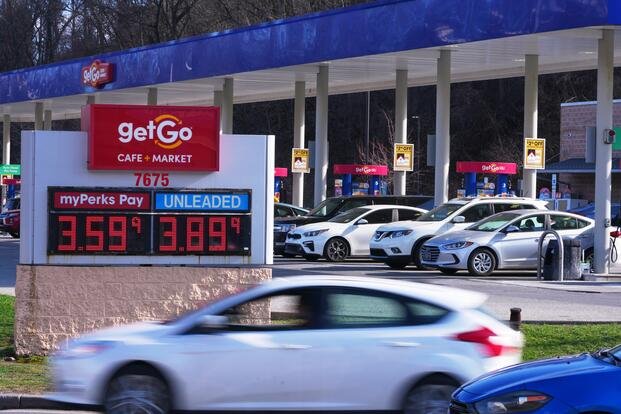
It also signals the continued importance of the Strait of Hormuz, one of the world’s most important oil chokepoints. Reopening it after mines, drones and attacks on commercial shipping remains a major issue, surging gas prices in the U.S. to levels not seen since the COVID-19 pandemic.
This latest news also comes on the heels of warships previously moving towards the region and carrying approximately 2,500 Marines, underscoring that this buildup has been building for days, not hours.
The new deployment, according to Reuters, includes the USS Boxer, its embarked Marine Expeditionary Unit (MEU), and an accompanying warship. The AP reported the broader move as three additional warships and about 2,500 Marines.
MEUs are built for crisis response, amphibious operations, evacuations and maritime security, making them the type of force commanders could use if the mission shifts from strike operations to securing shipping lanes or key terrain.
US Expands Combat Operations as Iran Fires New Attacks
The United States has broadened its military campaign against Iranian targets tied to missile launches, naval threats and maritime disruption, while Iran has continued missile and drone attacks on Israel, U.S. positions and regional energy targets, according to Reuters and AP.
The Wall Street Journal and other outlets reported that A-10 aircraft, Apache helicopters and additional rapid-response forces are being used or moved into the fight, though the Pentagon had not publicly laid out the full operational package in the reporting I reviewed.
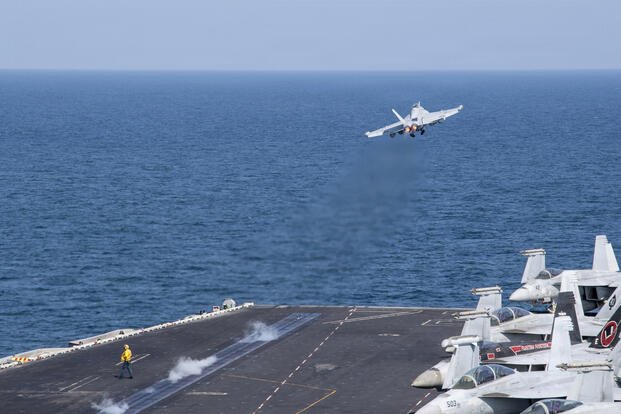
That widening exchange gives added weight to Trump’s public line that he is not sending in troops, even as forces suited for exactly that kind of contingency are moving closer to the theater.
Defense Secretary Pete Hegseth has projected no quick end to the campaign. Official Defense Department messaging has described the mission as “laser-focused” on destroying Iran’s offensive missile capacity, missile production, navy and security infrastructure.
Oil Shock Keeps Raising the Stakes
Oil remains above $100 a barrel based on reports, with Reuters saying prices are hovering around $108 amid wider concern that attacks on Gulf energy facilities and near-shutdown conditions in Hormuz could keep markets under pressure.
The strait carries about 20% of world oil, meaning even limited disruption can send prices higher and spread economic pain far beyond the battlefield.
Kharg Island, a critical Iranian oil export hub, has been reported by The Guardian to be considered for occupation or blockading by U.S. officials. The island is described as handling about 90% of Iran’s oil exports.
That island and others in Iran have economic and security implications. If Washington moves from striking targets to physically controlling or isolating strategic territory, amphibious and ground-capable forces become much more relevant.
Simultaneously, reports indicate some differences between the U.S. and Israel over strategy and attacks on energy infrastructure that risk a wider economic impact, even as the two remain aligned in militarily confronting Iran.
Read the full article here